Sunday, 7 September 2014

Report on a TV drama.

The genre of the TV drama skins is teen comedy, teen drama.

The conventions of skins is;
  •  Clear timescale (episodes shown in real time), in order to prevent the illusion of the characters ageing.
  •   Hedonistic behaviour
  •  An educational setting exists to emphasise the idea of the characters being of the teenage.
  •   Music popular with teenagers must feature in the programme
  •   Emphasis on sexual relationships and teenagers losing their virginity
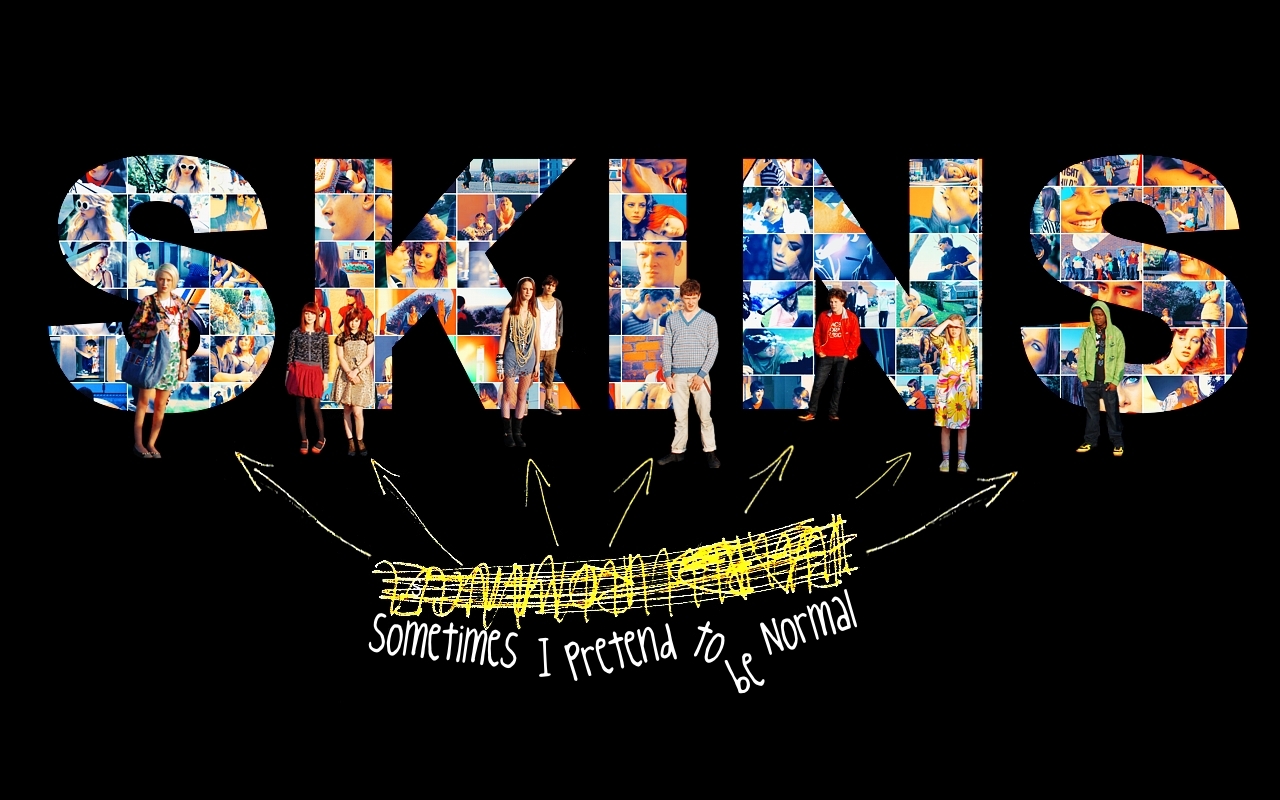
The representation of youth in Skins is generally negative, this is shown from;
  • The characters dependence on drugs and alcohol in each episode.
  • The characters promiscuous sexual behaviour.
  • Most of these activities occur every episode, causing this behaviour to seem "natural" of teenagers.
  • Girls and boys are presented very stereotypically in the skins episodes.
The representation of old age in Skins, however, is also negative. This is shown;

  •  Grace's parents are seen as over controlling,
  • People in the village are seen as rude and aggressive towards the characters.
Narrative of Skins contains some distinctive features;
  • Each series of Skins is seen to have a multi-stranded narrative as each episode is shown from the perspective of a different character.
  • The Skins series has a linear narrative, which means that episodes show events in chronological order and incorporate no non-linear features such as flashbacks.
  • During the series finale all of these different strands come together and involve an episode which focuses on all the characters.
  • The narrative of Skins is not only restricted to the TV series, as there are additional narratives available on their website, such as "Unseen Skins" which provide additional information to the narrative not shown on television. This is used to appeal to the younger target audience who are technologically friendly. 
  • The timescale of the narrative is clear. Every two series shown covers the students A-level courses. After this, another set of characters are introduced rather than following the characters onto university.
The audience of skins would be teens, as it is a British TV teen drama.


Report on the film Now Is Good.

Now Is Good is a 2012 British teen drama film, directed by Ol Parker. This film was based on the novel originally named Before I die by Jenny Downham, then re made into another novel Now is good. The film, was adapted by Ol Parker.  The film stars Dakota Fanning, Jeremy Irvine and Paddy Considine. The film is essentially about a girl who is dying of leukaemia and is trying her best to enjoy her life as much as possible, by creating a 'list', whilst she is still alive. The film was produced by Graham Broadbent and Malina Decarlo, the production company is Maverick Films, and was disturbed by BBC films and Warner Brothers. The film was realised in 19 September 2012 in the United Kingdom. The budget for the film was £500,000 and the box office of the film was £2,699,265. The audience of the film was stereotypically for women/girls as the film is a sad romantic film, the audience for the film is also who had read the book before the film was made. The impact of new technology is that it brings more entertainment and gives a more realistic image and a more realistic effect.

Thursday, 4 September 2014

My name is Katie Bishop. I have created this account due to a level media studies, this blog is for my a level bridging task. I am going to be studying TV dramas , as well as making a school magazine, therefore I will need to be analysing magazines and TV dramas for research.  This year I am going to learn how to create a magazine, learn how to analyse TV dramas and also examine how the British film industry overcomes the dominance of the main competitor for British film industry, the American (usa) industry. Therefore I will need to prepared to understand and also discuss the processes of production, distribution, marketing and exchange as they link to the contemporary media institutions, as well as the nature of the audience consumption and the relationship between audiences and institutions.